2/4 Meter Music Examples - Strong And Weak Beats In Time Signatures Rhythm Lesson - I like to just start having first graders feel strong beats and weak beats.. Most people realize when they listen to this song (and try to clap to it) that something's off. Duple means that there are 2 basic beats. Learn the 4/4, 3/4, 2/2, 6/8, 9/8, 12/8, 7/4, 5/4 and 7/8 time signatures. There is sometimes flexibility in selecting a meter for a piece of music. There are 4 beats per measure and each beat is divided by 2.
An example of music in 2/4 time using half notes and quarter notes and an over the bar line tie. Oh, where have you been billy boy, billy boy 2. Examples of duple time signatures are 2/4, 4/4 and 4/8. The value of one beat is. In general, music written in 2/4 time is performed more slowly than music written in 3/4 or 4/4 time.
2 4 Or 4 8 Time Ultimate Music Theory from ultimatemusictheory.com 2/4, 3/4, and 4/4 time signatures are all examples of simple meters, as are any time signatures with 2, 3 and 4 as the top number (such as 2/2, 2/8, 3/2, 3/8, 4/2, and 4/8). Therefore, with a top number of 2 in the time signature and 2 basic beats, 2/4 time is a simple duple time signature. In duple meter, the metrical accent is on the first beat, or count, of the measure. Practice the music meter using more than 9 audio examples. Compound quadruple time always has the number 12 at the top of the time signature. It is counted 1, 2. Meters are further distinguished by how many main beats are in each measure, and a duple meter has two main beats per measure. We practice rhythm in the simple meters, 2/4, 3/4 and 4/4.
But most western music has simple, repetitive patterns of beats.
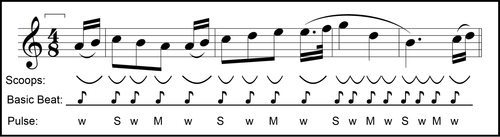
Common notation, for example, divides the written music into small groups of beats called measures, or bars. Common time, cut time, 4/4, 3/4, 2/4, 2/2, 2/1, and so on. I like to just start having first graders feel strong beats and weak beats. Simple, compound, duple, triple, quadruple and odd meters. The weak beats fall on the subdivision, or eighth note, after beats one and two. In simple meter, the beats can be divided into even divisions of two. The examples i have are in 2/2, 2/4, 3/4, 6/8, 12/8, as well as odd signatures and polyrhythms. So the music is notated as four beats to the bar (measure) even though the music is played two beats to the bar: This is a clear example of how seamless the added 2/4 bar works. This sound sample is from a 1925 recording, on a 78 rpm disc, recorded by pianist una bourne (source). As with all time signatures in music, the top and bottom numbers each tell us two very specific things. Sheet music in 2/4 time. Following are some examples of duple, triple, and quadruple simple and compound meters:
In the time signature 6 Examples of duple time signatures are 2/4, 4/4 and 4/8. Unusual is here defined to be any time signature other than simple time signatures with top numerals of 2, 3, or 4 and bottom numerals of 2, 4, or 8, and compound time signatures with top numerals of 6, 9, or 12 and bottom numerals 4, 8, or 16. An example of music in 2/4 time using half notes and quarter notes and an over the bar line tie. Some more modern writers do use 4/4 (carlos salgan uses both), but 2/4 for tango still seems the norm.
Time Signatures Explained Part 5 Creating Interesting Motion With Meter Changes from www.izotope.com We practice rhythm in the simple meters, 2/4, 3/4 and 4/4. Most people realize when they listen to this song (and try to clap to it) that something's off. The examples i have are in 2/2, 2/4, 3/4, 6/8, 12/8, as well as odd signatures and polyrhythms. The weak beats fall on the subdivision, or eighth note, after beats one and two. Meters are further distinguished by how many main beats are in each measure, and a duple meter has two main beats per measure. Unusual is here defined to be any time signature other than simple time signatures with top numerals of 2, 3, or 4 and bottom numerals of 2, 4, or 8, and compound time signatures with top numerals of 6, 9, or 12 and bottom numerals 4, 8, or 16. Practice the music meter using more than 9 audio examples. Of course, ¾ is just one of many time signatures.
In duple meter, the metrical accent is on the first beat, or count, of the measure.
Duple means that there are 2 basic beats. The weak beats fall on the subdivision, or eighth note, after beats one and two. Examples include 9/8, 9/2, 9/16 and 9/4. Beethoven, finale, symphony n° 3 It really depends on how strong the emphasis seems to be on the third beat as to which you choose. Practice the music meter using more than 9 audio examples. An example of music in 2/4 time using half notes and quarter notes and an over the bar line tie. In duple meter, the metrical accent is on the first beat, or count, of the measure. The alla turca rondo of mozart 's piano sonata n° 11 uses the 2/4 time signature: Unusual is here defined to be any time signature other than simple time signatures with top numerals of 2, 3, or 4 and bottom numerals of 2, 4, or 8, and compound time signatures with top numerals of 6, 9, or 12 and bottom numerals 4, 8, or 16. In this musical sample, you will notice the use of anacrusis, acciaccaturas (grace notes) as well as a repeat barline. If you are a musician like me, then you probably find 4/4 time easy to play and write as it is the most common time signature in music. The examples i have are in 2/2, 2/4, 3/4, 6/8, 12/8, as well as odd signatures and polyrhythms.
The 2/4 time signature can be found at the very beginning of your music right after the clef sign. Properly, meter describes the whole concept of measuring rhythmic units, but it can also be used as a specific descriptor for a measurement of an individual piece as represented by the time signature—for. Of course, ¾ is just one of many time signatures. The flight of the bumblebee. A 2/4 time signature contains two quarter notes within a measure.
The Difference Between 3 4 6 8 Time With Examples School Of Composition from www.schoolofcomposition.com Oh, where have you been billy boy, billy boy 2. Unusual is here defined to be any time signature other than simple time signatures with top numerals of 2, 3, or 4 and bottom numerals of 2, 4, or 8, and compound time signatures with top numerals of 6, 9, or 12 and bottom numerals 4, 8, or 16. The conventions of musical notation typically allow for. 1) top number = how many beats (or counts) are in each measure. The flight of the bumblebee. Meters like 4/4, 2/4 and 6/8 are examples of duple meter, because their measures divide into two groups. It has two beats per measure, and the quarter note receives one beat. We practice rhythm in the simple meters, 2/4, 3/4 and 4/4.
Oh, where have you been billy boy, billy boy 2.
If you are a musician like me, then you probably find 4/4 time easy to play and write as it is the most common time signature in music. Examples of these meters include: It really depends on how strong the emphasis seems to be on the third beat as to which you choose. Metre or meter is the measurement of a musical line into measures of stressed and unstressed beats, indicated in western music notation by a symbol called a time signature. This sound sample is from a 1925 recording, on a 78 rpm disc, recorded by pianist una bourne (source). Simple and compound meter in music. Following are some examples of duple, triple, and quadruple simple and compound meters: In duple metre, each measure is divided into two beats, or a multiple thereof (quadruple metre). Of course, ¾ is just one of many time signatures. Songs in 2/4 time for kids 1. Some more modern writers do use 4/4 (carlos salgan uses both), but 2/4 for tango still seems the norm. In duple meter, the metrical accent is on the first beat, or count, of the measure. Unusual is here defined to be any time signature other than simple time signatures with top numerals of 2, 3, or 4 and bottom numerals of 2, 4, or 8, and compound time signatures with top numerals of 6, 9, or 12 and bottom numerals 4, 8, or 16.
The conventions of musical notation typically allow for music meter examples. For example, in american oldtime music there is a strong 2/4 feeling to it, but it's easier to read if no note values are below an eighth note or a dotted eighth.